
A garage booking can be straightforward. Getting your car there, fitting the journey around work or childcare, and getting home afterwards is often the difficult part. So, if you are asking, “is my car covered in transit?”, you are asking exactly the right question before handing over your keys.
The short answer is that it depends on who is moving the vehicle, the terms of their insurance, and what has been agreed for your specific journey. Never assume that cover is automatic simply because a business is collecting your car. A professional service should explain what protection is in place, how the vehicle is recorded at collection, and what to do if you have a concern.
Is my car covered in transit by my own insurance?
Your existing motor insurance may provide some protection when another person drives your car, but it should not be treated as the only answer. Policies vary significantly. Some name specific drivers, some offer limited permission for another driver to use the vehicle, and others exclude use connected with business activity or vehicle movement for a service.
Even where your policy includes comprehensive cover, there may be excesses, conditions or notification requirements. If an incident occurred while somebody else was taking your car to a garage, you would want to know whether a claim could affect your no-claims discount and who would be responsible for the excess.
That is why it is sensible to check your own policy documents or speak to your insurer before collection, particularly if your vehicle is valuable, newly purchased, leased, or has specialist modifications. Ask a clear question: does my policy cover a professional driver collecting and returning my car for servicing, repairs or an MOT?
Your insurer’s answer is useful reassurance, but it does not replace the transport provider’s responsibility to hold appropriate insurance for the work they carry out.
What cover should a professional collection service have?
A reputable vehicle collection and delivery service should be able to confirm that it has insurance that applies while it is responsible for your car. The exact policy wording and limits will differ between providers, so look for clarity rather than vague promises.
Before booking, ask whether the service has motor trade or business-use cover for drivers moving customer vehicles. Confirm that this applies from the point of collection through to delivery at the garage or dealership, and again for the return journey. You should also understand how damage, theft, accidents and third-party incidents are handled.
A good provider will not make you chase basic answers. They should explain the claims process, tell you who to contact if something does not look right, and be open about any exclusions. For example, an existing mechanical fault, cosmetic damage already present, or valuables left inside the car may be treated differently from damage that occurs while the vehicle is being moved.
At SortMyCar, vehicle collection and return is designed to remove the disruption of garage appointments while giving customers the reassurance of an insured and trackable service. The point is not merely to save a journey. It is to make the handover feel properly managed from start to finish.
Insurance is only part of the reassurance
Cover matters, but the strongest protection comes from a careful process. If there is a question about a scratch, wheel scuff or warning light later, a clear record of the vehicle’s condition helps everyone deal with it fairly and quickly.
Record the car’s condition before handover
Take a few minutes to walk around your car before it is collected. Photograph each side, the wheels, windscreen and interior, especially if there is existing damage. A short video can be useful too. Make sure the images are dated and clear enough to show the vehicle’s condition.
Note the mileage, fuel level and any dashboard warning lights. If you have a preferred fuel level for the return, make that clear in advance. This is not about expecting a problem. It is a practical habit that gives you a reliable point of reference.
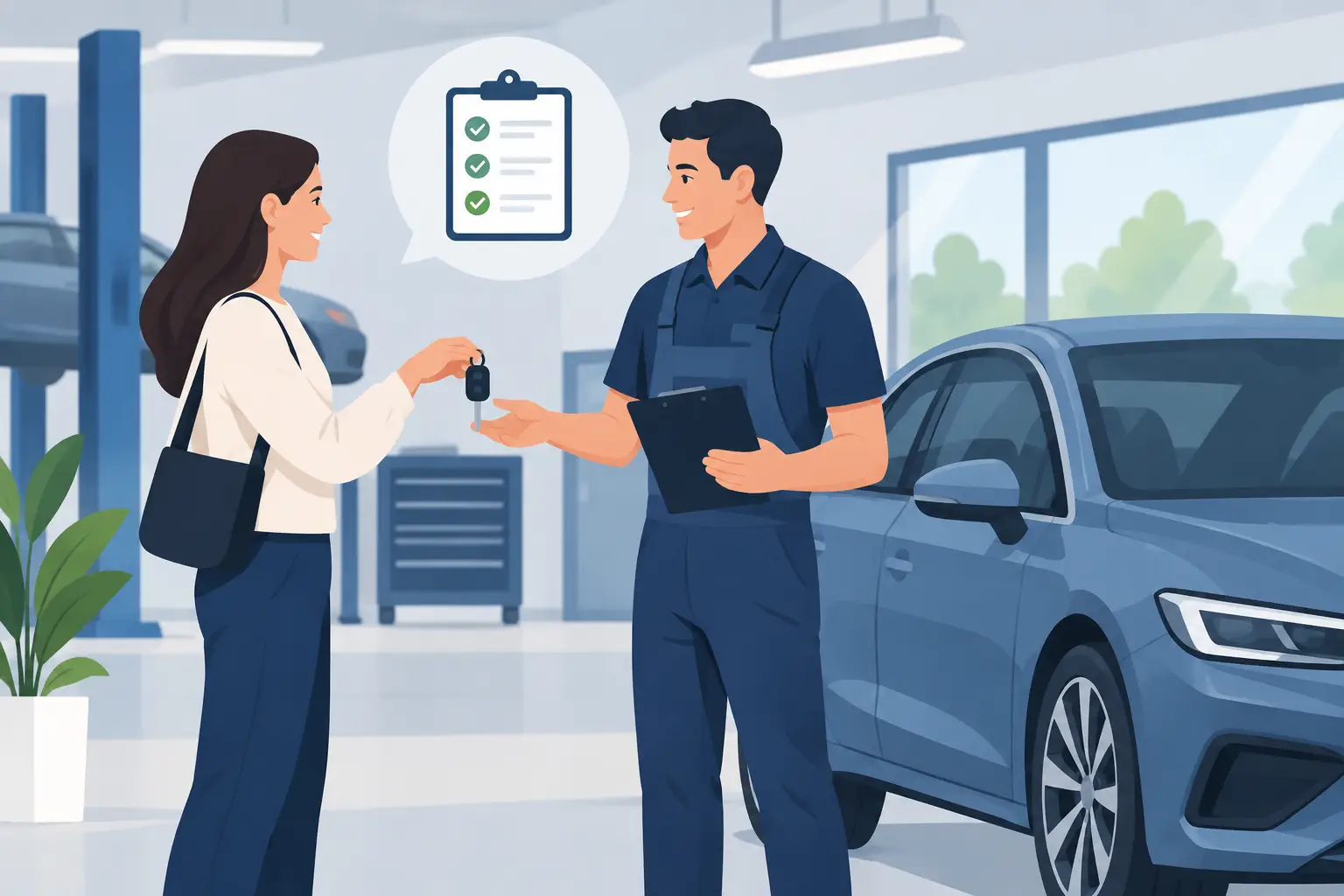
A professional driver should also carry out a handover check. You should be comfortable with what is recorded before the vehicle leaves. If something is missed or described inaccurately, raise it there and then rather than hoping it will not matter later.
Remove valuables and prepare the vehicle
Insurance may not cover every personal item left in a car, and it is better not to test the policy. Remove cash, sunglasses, work equipment, documents, spare keys and anything of sentimental value. Clear the boot if it contains items you need during the day or anything that could move around while the car is being driven.
Leave the items needed for safe, lawful use of the vehicle, such as the locking wheel nut key if the garage may need it. Tell the collection service about anything relevant, including an immobiliser, unusual starting procedure, low fuel, tyre-pressure warning, restricted parking access or a known fault that affects driving.
Know who is collecting your car
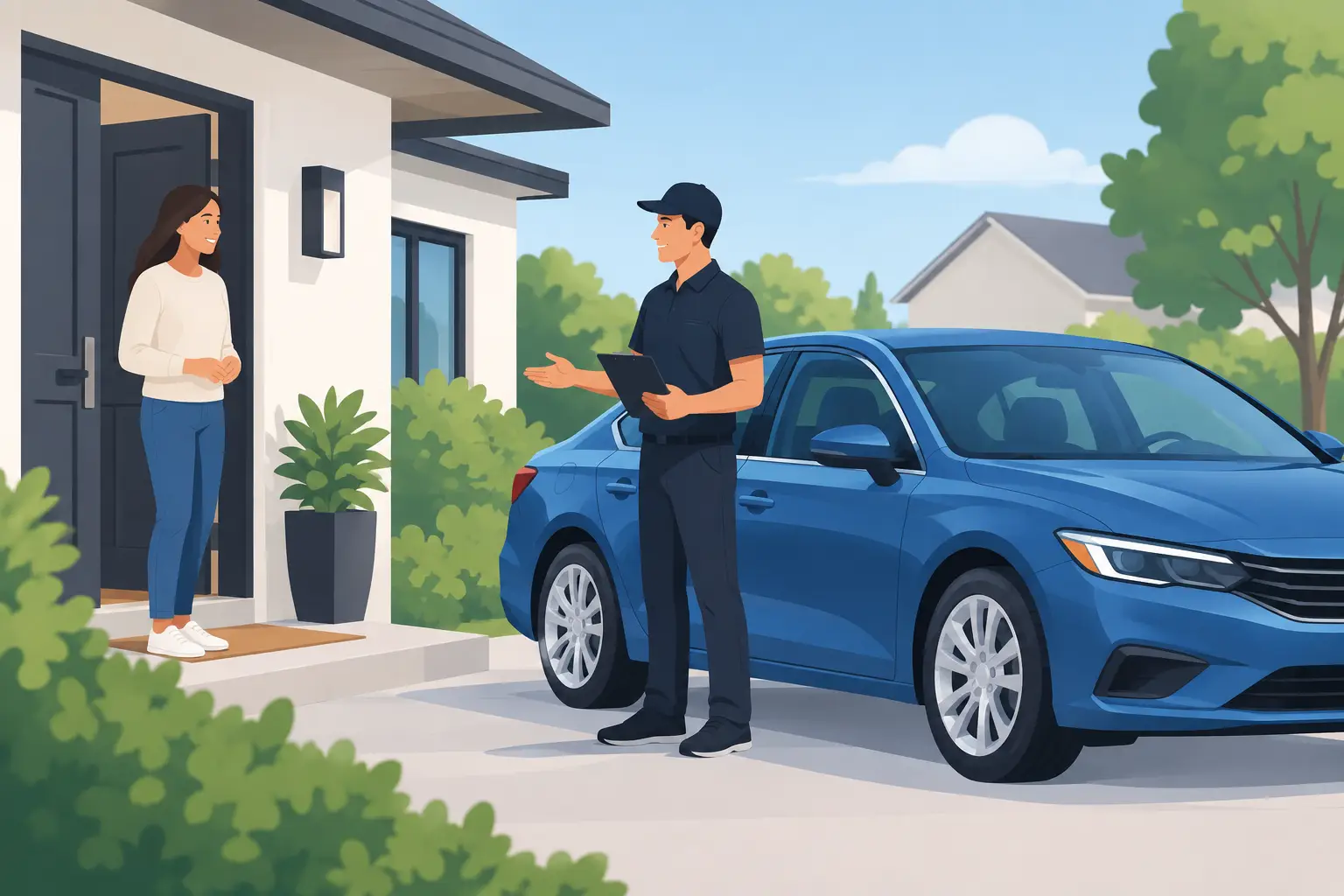
You should know the collection window, the driver’s identity or booking reference, and how to contact the service. Tracking or live updates are particularly helpful when you are at work, managing a school run or waiting at home with a young child. They replace uncertainty with a simple view of where things stand.
If a driver arrives and something does not match your booking details, pause before handing over the keys. Contact the provider directly using its usual customer support channel. A legitimate service will welcome the check.
Questions worth asking before you book
A short conversation before collection can prevent a lot of uncertainty. Ask whether the vehicle is insured while in transit, whether there is a limit on the value covered, and whether you need to notify your own insurer. Check who handles a claim and what evidence may be needed.
It is also worth asking how the condition check works, whether mileage is recorded, and how collection and return updates are provided. For a leased or company car, check your agreement as well. Some finance providers have rules about who may drive the vehicle or what you must do after an incident.
Do not be put off by asking direct questions. A service built around trust should be ready with direct answers. If the wording feels unclear, get it clarified in writing before the car is collected.
When the garage has your vehicle
There are two distinct stages to think about: the journey to the garage and the work carried out once it arrives. The collection service’s transit insurance concerns the movement of the car. Repairs, servicing, storage and test drives at the garage are separate matters, usually covered by the garage’s own arrangements and terms.
When authorising work, make sure you understand what the garage plans to do and whether a test drive is likely. If they identify additional work, ask for approval and costs before proceeding. This gives you control over the repair decision as well as a clearer picture of who is responsible for the car at each stage.
What to do if something goes wrong
Most collections and returns are uneventful, which is exactly how they should be. But if you notice new damage, an unexpected mileage increase or anything else that concerns you, report it promptly. Take photographs, keep your booking confirmation and handover records, and avoid arranging repairs before the provider has had the chance to inspect the issue.
Stick to the facts: what you noticed, when you noticed it, and what the vehicle record showed at collection. A clear, early report gives the provider the best chance to investigate properly with the driver, garage and insurer if necessary.
Handing your car over should not mean handing over your peace of mind. Choose a service that explains its cover clearly, records the journey carefully and keeps you informed, so your garage appointment fits around your life rather than taking it over.