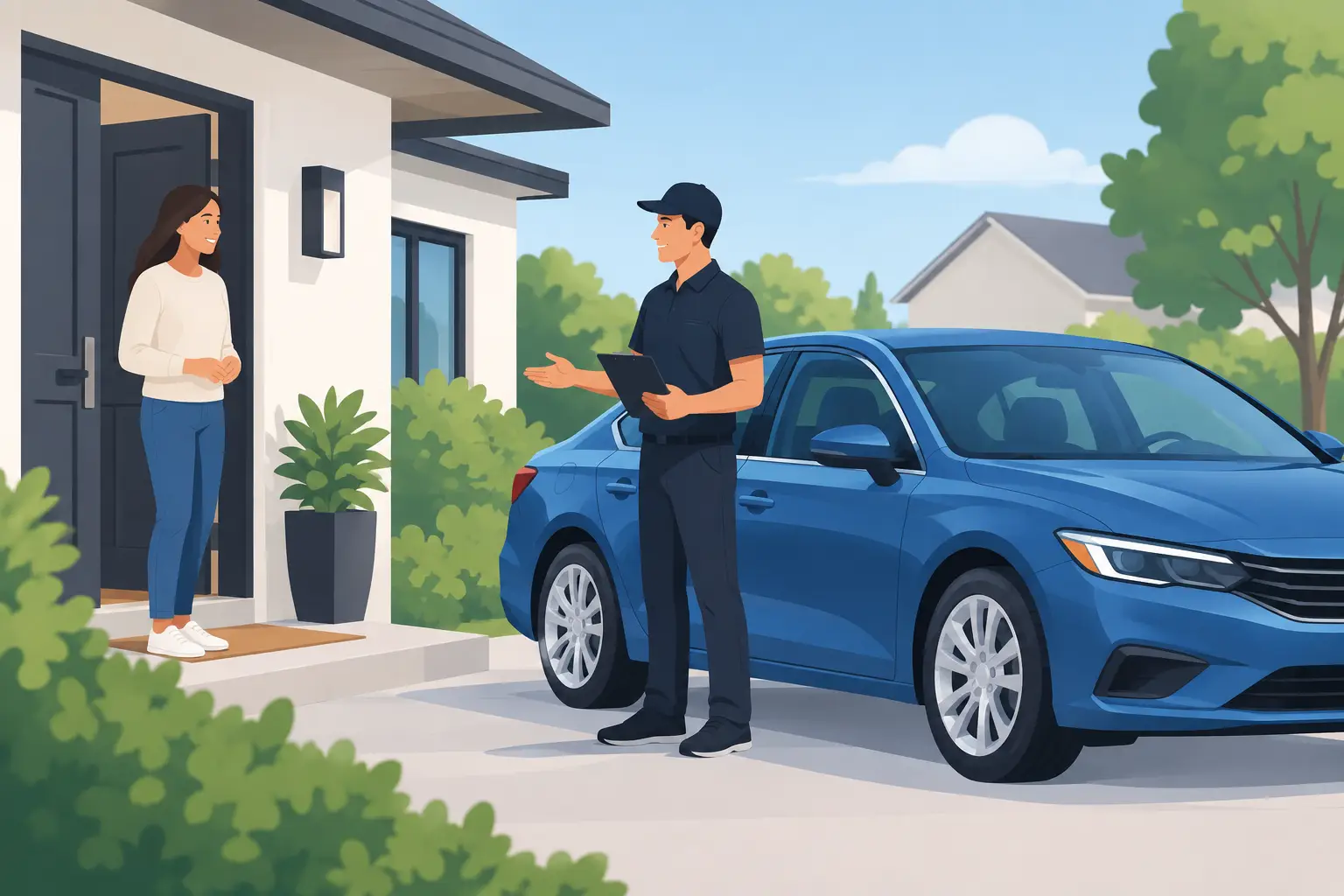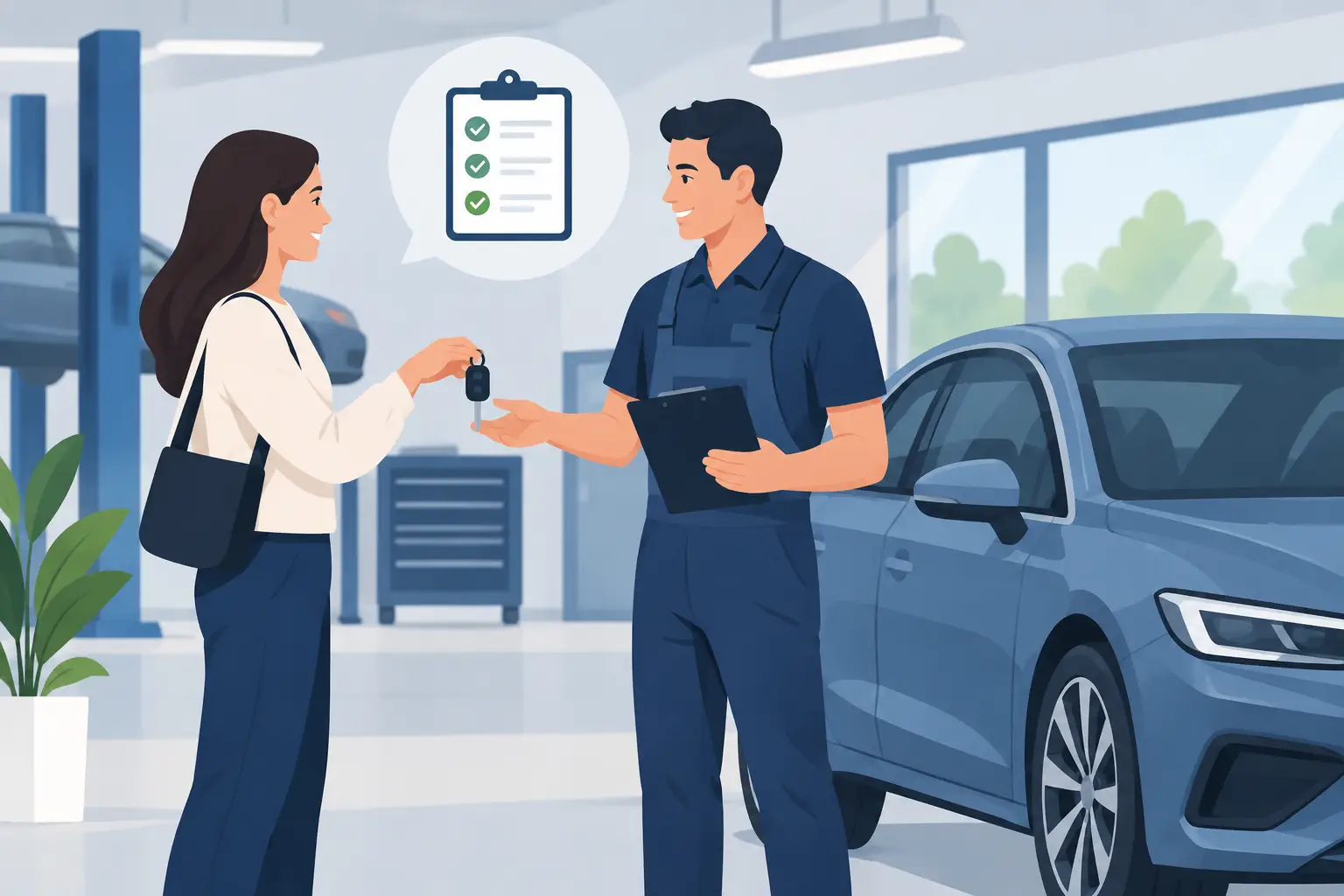

Handing your keys to someone else can feel like the hardest part of booking a garage visit, particularly when the car is parked outside your home and you are already heading into a busy workday. Knowing how to authorise car collection properly gives you control over the process without adding another job to your list.
For most servicing, repair or dealership appointments, authorisation is straightforward. You confirm who is permitted to collect the vehicle, where it is going, and what work the garage has been asked to carry out. The key is to make those details clear before collection day, then use a provider that can show you who is driving your car and how it is protected.
How to authorise car collection with confidence
Start by confirming that the person or company collecting the vehicle has your explicit permission. This may be done through a booking confirmation, a signed collection form, an email, or a secure booking system. Whatever method is used, it should make clear that you, as the registered keeper or authorised user, have instructed the collection.
Your authorisation should include the vehicle registration, collection address, destination garage or dealership, and the date or agreed time window. It is also useful to include a contact number for the garage, especially if the booking is for a specific service, repair, MOT or warranty inspection.
If somebody else normally manages the car, such as a partner, family member or company fleet contact, make sure the collection provider and garage know who can approve changes. A simple note can prevent a delay if the garage needs permission for additional work while the vehicle is with them.
Authorising collection does not mean giving open-ended permission for unexpected costs. Ask the garage to contact you before carrying out work beyond the original booking, unless you have already agreed a spending limit. This keeps the transport and repair arrangements separate, clear and easy to track.
Choose a collection service you can verify
Convenience should not mean uncertainty. Before authorising anyone to take your car, check how the provider identifies its drivers and what information you will receive ahead of arrival. You should know the collector's name, the expected collection time and how to contact the service if plans change.
A professional vehicle collection service should also be clear about insurance cover while your car is in its care. Ask what cover applies during collection and return, whether there are any exclusions you should understand, and what happens if there is an incident. The answer should be easy to obtain and explained in plain English.
Tracking adds another layer of reassurance. Being able to see the driver's progress, or receive collection and delivery updates, means you are not left wondering whether your car has reached the garage. For busy parents, commuters and anyone working from home, that visibility makes it easier to get on with the day.
SortMyCar is designed around this practical need: a secure, insured and trackable collection and return service that helps you keep a garage appointment without rearranging your life around it.
Give the garage clear instructions before collection
The garage or dealership needs to know that your car will be arriving with an authorised driver rather than with you. Confirm the appointment date, registration number and reason for the visit in advance. If the garage is expecting a particular fault to be investigated, provide a short written description rather than relying on a message passed on at the door.
For example, mention if a warning light appears intermittently, the brakes make a noise when cold, or the car loses power at motorway speeds. Include when the issue happens and anything that seems to trigger it. This gives the technician a better starting point and reduces the risk of a wasted diagnostic appointment.
If your vehicle has a service plan, warranty, lease agreement or MOT booking, tell the garage which applies. You may also need to provide a booking reference or approval number. It depends on the dealer or repairer, so ask what they require before the vehicle is collected.
You do not usually need to send the V5C registration certificate with the car for routine servicing or repairs. In fact, it is sensible to keep important personal documents safely at home unless the garage specifically requests them for a legitimate reason.
Confirm who can approve extra work
A garage may find something that was not visible when the appointment was booked. Make sure it has your preferred phone number and knows whether it should call, text or email for authorisation. If you are likely to be in meetings, consider naming a second contact who can discuss the work, while being clear about whether they can approve spending.
This small step avoids the familiar problem of a car sitting ready for repair while everyone waits for a callback. It also means the driver collecting or returning the vehicle is never placed in the position of making decisions that belong to you.
Prepare the car for a secure handover
The handover should be quick, but it should not be rushed. Remove valuables, work equipment, spare house keys, parking permits that you do not want left in the car, and any documents containing personal information. Check the boot, glovebox, centre console and door pockets. If you use a removable sat-nav, take that too.
Leave the items the garage genuinely needs. That normally means the main vehicle key and any locking-wheel-nut key if tyre or brake work may be involved. If the car uses a key card, fob or charging card, confirm whether it needs to travel with the vehicle. Electric vehicle owners should also tell the garage about any charging fault, cable issue or relevant charging access arrangement.
Before collection, take a few dated photographs of the exterior, wheels and windscreen in good light. Photograph the dashboard mileage and fuel level or battery charge as well. This is not about expecting a problem; it is a sensible record that gives everyone a shared starting point.
If you have already noticed cosmetic damage, write it down. A proper collection process should include a condition check at handover, with any existing marks noted. Read it before confirming it is accurate and keep a copy where possible.
Make collection easy without compromising security
If you cannot be present, agree a safe and specific handover arrangement in advance. Do not leave keys in an obvious place or give vague instructions such as “they are somewhere by the front door”. Confirm the driver's identity using the details supplied by the service before releasing the keys.
Where practical, use a handover that creates a clear record of who received the vehicle and when. A collection confirmation, condition report or digital notification is far more reassuring than an informal arrangement with no trail.
Also check that the car is accessible. Move it out from behind another vehicle, make sure it has sufficient fuel or charge for the journey, and tell the collector about any operational quirks. That could include an immobiliser procedure, a stiff gear selector, a low-emission-zone setting, or a known tyre-pressure warning. Clear information helps the collection stay on schedule.
What to check when your car comes back
Return collection deserves the same care as the outward journey. Confirm the return location and time window, particularly if you need the car back for a school run, commute or weekend plans. If the garage has completed additional work, ask for the invoice, job sheet and any advisory notes before or at return.
When the car arrives, check its condition against the handover record and photographs. Look over the bodywork, wheels and glass, then check the mileage, fuel level or battery charge. If something does not look right, raise it promptly with the collection provider and keep any relevant records.
Take a moment to review the garage paperwork too. Understand what was completed, what may need attention later, and when the next service or MOT is due. A well-managed collection saves time, but the real benefit is having the information you need without spending half a day travelling, waiting and arranging lifts.
A clear authorisation, a verified driver and a documented handover turn car maintenance from a disruption into a planned part of the week. You stay in charge of your vehicle, while the journey to the garage no longer has to be yours.