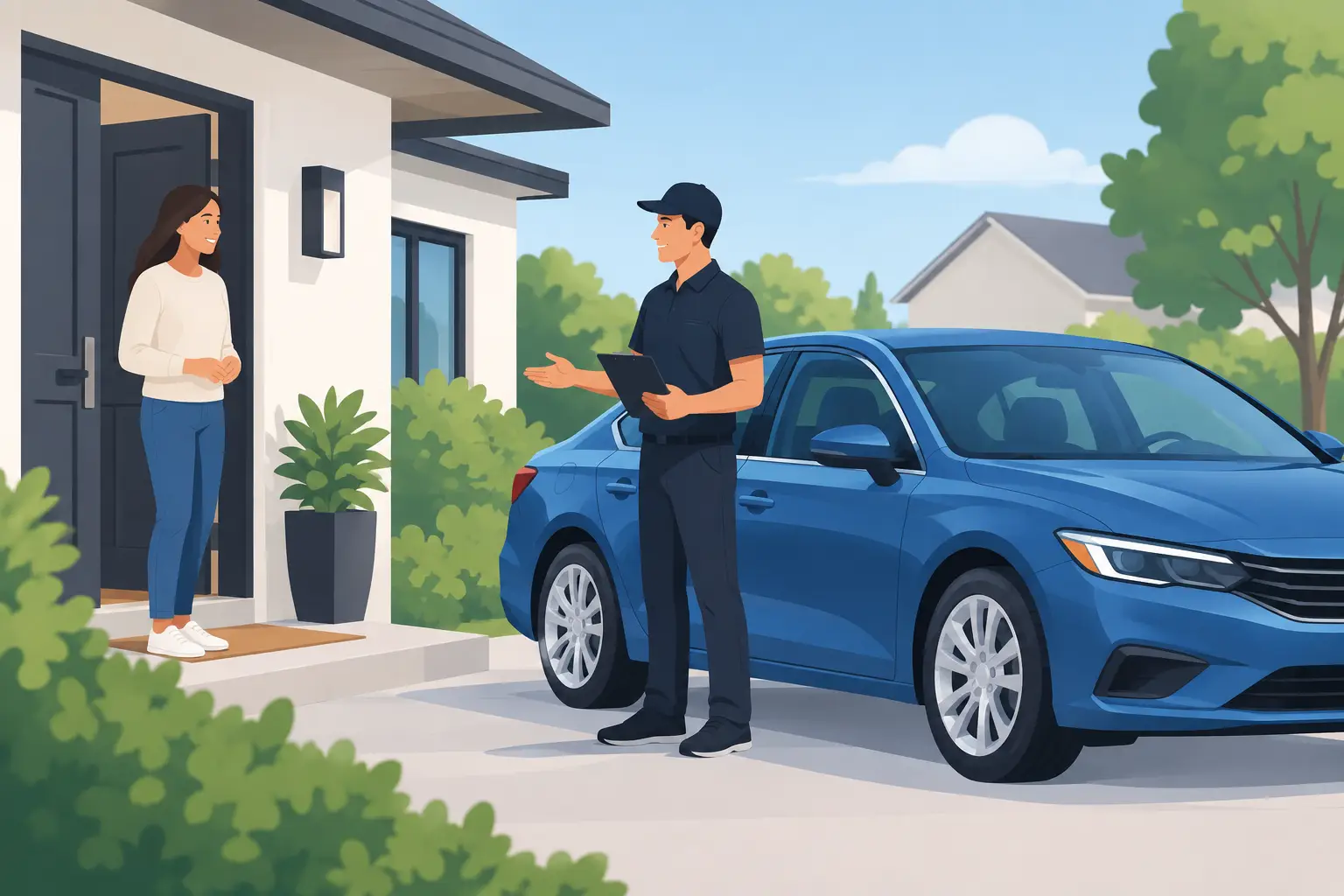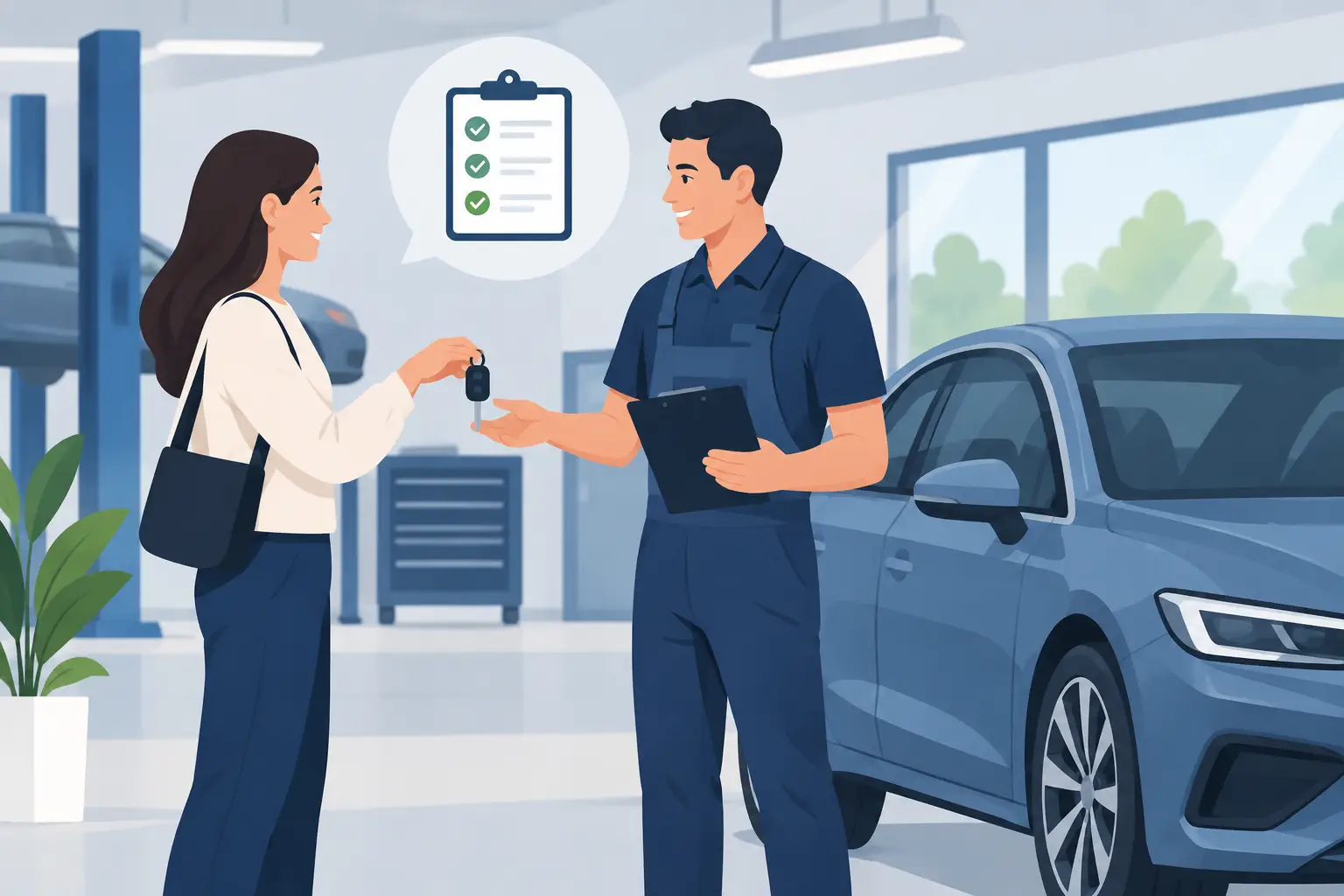

A 9am dealership booking can easily take half a working day once you factor in the drive, check-in, getting home and collecting the car again. Learning how to arrange dealership vehicle collection gives you another option: have your vehicle collected from home, work or another agreed location, taken to the dealership, then returned when the work is finished.
For busy parents, commuters and anyone trying to protect their annual leave, it turns an awkward errand into something that fits around the rest of life. The key is choosing a trustworthy service, confirming the details with the dealership and preparing the car for a clear, secure handover.
Start with the dealership appointment
Book the service, repair, MOT-related work or inspection with the dealership first. Ask for the appointment date, the expected arrival time and whether they need the vehicle for the full day. It is also worth checking whether they have any instructions about keys, locking wheel nut adapters, service plans or authorisation for additional work.
Give the dealership a heads-up that a collection and delivery service will bring the vehicle in on your behalf. Most businesses are familiar with this arrangement, but a quick confirmation avoids confusion at reception. Provide your name, registration number and contact details, and ask the dealership to record that the driver is authorised to hand over the keys.
Be realistic about timings. A routine service may have a predictable collection window, while diagnostics or repair work can take longer if parts are required. If you need the car back for the school run or a weekend trip, say so at the point of booking. A good provider can help set expectations, but cannot guarantee a return time before the dealership has confirmed the work is complete.
Choose a collection service you can trust
The convenience only works if it comes with proper reassurance. Your car is valuable, and you should feel confident about who is collecting it, where it is going and what happens if plans change.
Before booking, check that the service provides suitable insurance for moving customer vehicles. Ask what cover applies during collection and delivery, whether there are any exclusions, and how damage concerns are handled. Clear answers matter more than vague promises.
You should also look for live driver tracking or timely status updates. Knowing when the driver is on the way, when the car has arrived at the dealership and when it is returning removes the uncertainty that often comes with handing over keys. It also helps when you are in a meeting, managing childcare or simply not able to watch the clock.
A professional service should make the booking process straightforward: collect the address, vehicle details, dealership details, preferred timings and any access notes in advance. SortMyCar is designed around this practical need, collecting and returning vehicles while keeping the process secure, insured and trackable.
How to arrange dealership vehicle collection without last-minute stress
Once your dealership appointment and collection provider are confirmed, make sure both parties have matching information. The registration number, dealership name, booking reference, appointment time and your preferred return location should all be correct. A typo in a postcode or an old dealership address can create avoidable delays.
Choose a collection point that works in real life. Your home driveway is often easiest, but your workplace, a family member's address or another agreed location may suit your day better. The most important thing is safe, legal access for the driver and a reliable way to complete the handover.
If the car is parked behind a gate, on a permit-controlled street or in an underground car park, mention this when you book. Let the provider know about height restrictions, visitor parking, difficult access or any requirement to call on arrival. Small details can make the collection smoother for everyone.
It is sensible to keep your phone nearby during the collection window. You may need to confirm where the car is parked, answer a question about access or approve a change if traffic affects the planned arrival time. That does not mean you need to wait around all day - it simply keeps the handover flexible.
Prepare your vehicle for collection
A few minutes of preparation protects your belongings and makes the condition of the vehicle easy to record. Remove valuables, personal documents, work equipment and anything you would not want left in the car. Check the glovebox, door pockets, boot and centre console, especially if the vehicle is regularly used by the whole household.
Make sure the car has enough fuel or charge for the planned journey. If it is an electric vehicle, tell the provider the current charge level and whether there are any charging instructions. If there is a warning light, a known mechanical issue or a feature that needs explaining, share that information before collection rather than leaving the driver to discover it at the kerbside.
Take a few dated photos of the exterior, wheels and interior before handover. This is not about expecting a problem. It is a simple record that supports a transparent process, alongside any condition check completed by the collection service. Note existing scratches, dents or marks, particularly if you know the dealership will be carrying out bodywork or tyre-related work.
Leave the items the dealership may need, such as the locking wheel nut key, service book if relevant, charging cable or a note about the issue you want investigated. Avoid leaving your full home address or unnecessary personal paperwork in the vehicle.
Agree the key handover clearly
The safest option is usually handing the keys directly to the driver after checking their identity and confirming the vehicle details. You can then review the condition record, ask any final questions and receive confirmation that collection has taken place.
Sometimes a direct handover is not possible. You may be on a video call, travelling for work or dealing with a nursery drop-off. In those cases, agree the alternative arrangement in advance with the provider. Do not leave keys in an unapproved place or make assumptions about access. A clear, pre-arranged process is safer and avoids a failed collection.
The same applies to return delivery. Confirm whether you will be present, who else is authorised to receive the vehicle and where it should be parked. If the dealership identifies extra work, decide whether you want them to contact you directly for approval or whether you are happy for the collection provider to update you on timings only. Keeping mechanical authorisation between you and the dealership helps prevent misunderstandings.
Know what happens while your car is at the dealership
Vehicle collection is not a replacement for communication with the dealership. You should still expect an estimate, a call about additional repairs where required, and an explanation of the work completed. The collection provider manages the movement of the vehicle; the dealership remains responsible for the servicing or repair work.
Ask the dealership to contact you before completing any work outside the original booking. This is particularly useful for inspections and MOT-related visits, where an unexpected advisory or repair may affect both cost and collection timing. Once the work is approved and finished, the dealership can release the car for return.
There can be a trade-off between convenience and flexibility. Driving the car yourself may make it easier to discuss a fault face to face, while collection and return saves time and disruption. If you have a complex issue that needs demonstrating, consider leaving a detailed note or speaking to the service adviser beforehand. You can still benefit from collection without losing the opportunity to explain the problem properly.
Check the return before you carry on with your day
When the car comes back, take a moment to inspect it in good light if possible. Check that your belongings are present, the keys and any accessories have been returned, and the vehicle is parked where agreed. Review the dealership invoice or service report so you know what was completed and whether any future work has been recommended.
If anything does not look right, raise it promptly with the relevant party. A query about the repair belongs with the dealership, while a concern about collection, return or vehicle condition should be reported to the transport provider with your photos and booking details. Good records and quick communication make issues easier to resolve.
The best dealership collection arrangement is the one you barely have to think about: your car gets the attention it needs, your appointment is handled properly, and your day stays yours.