A guide to contactless car handovers starts with one simple aim: getting your car to the garage without having to rearrange your working day, childcare or other commitments. Done properly, a contactless handover is not impersonal. It is a clear, agreed process that keeps you informed while making collection and return straightforward, secure and convenient.
For many UK drivers, the hardest part of a service, repair or dealership booking is not the work itself. It is finding the time to get there, wait around or organise a lift home. A well-planned handover removes that pressure, while still giving you confidence about who has your car, where the keys are and what happens next.
What contactless car handovers involve
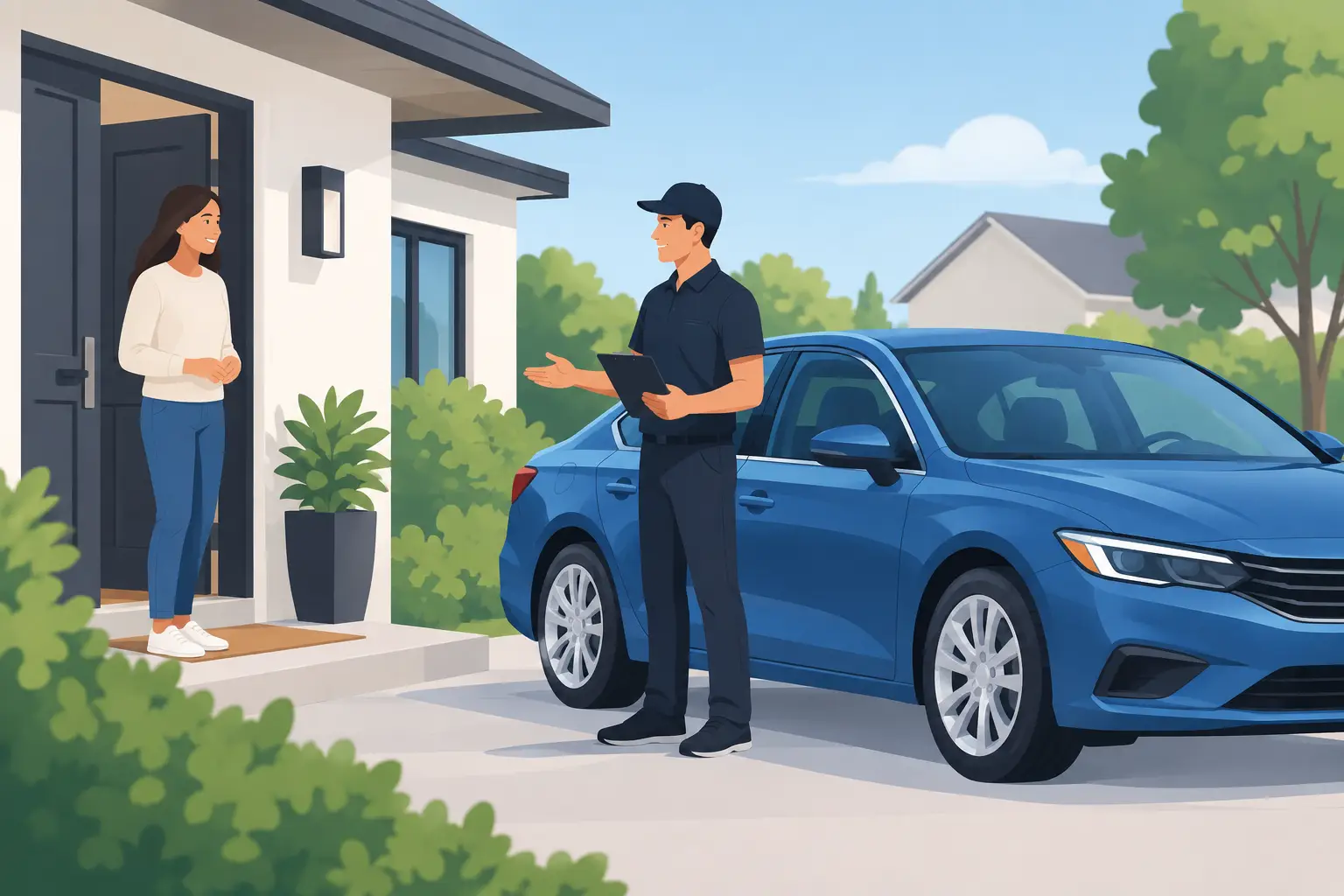
A contactless car handover means you do not need to meet the person collecting or returning your vehicle face to face. Instead, the collection details, key arrangements and vehicle condition are agreed in advance. You can leave the car at your home, workplace or another suitable location, provided it is safe and accessible.
The key word is agreed. Contactless should never mean unclear. You should know the collection window, the collection address, the name or details of the person handling the vehicle, and how you will receive updates. If your car is being taken to a garage or dealership, confirm the destination and the reason for the visit too.
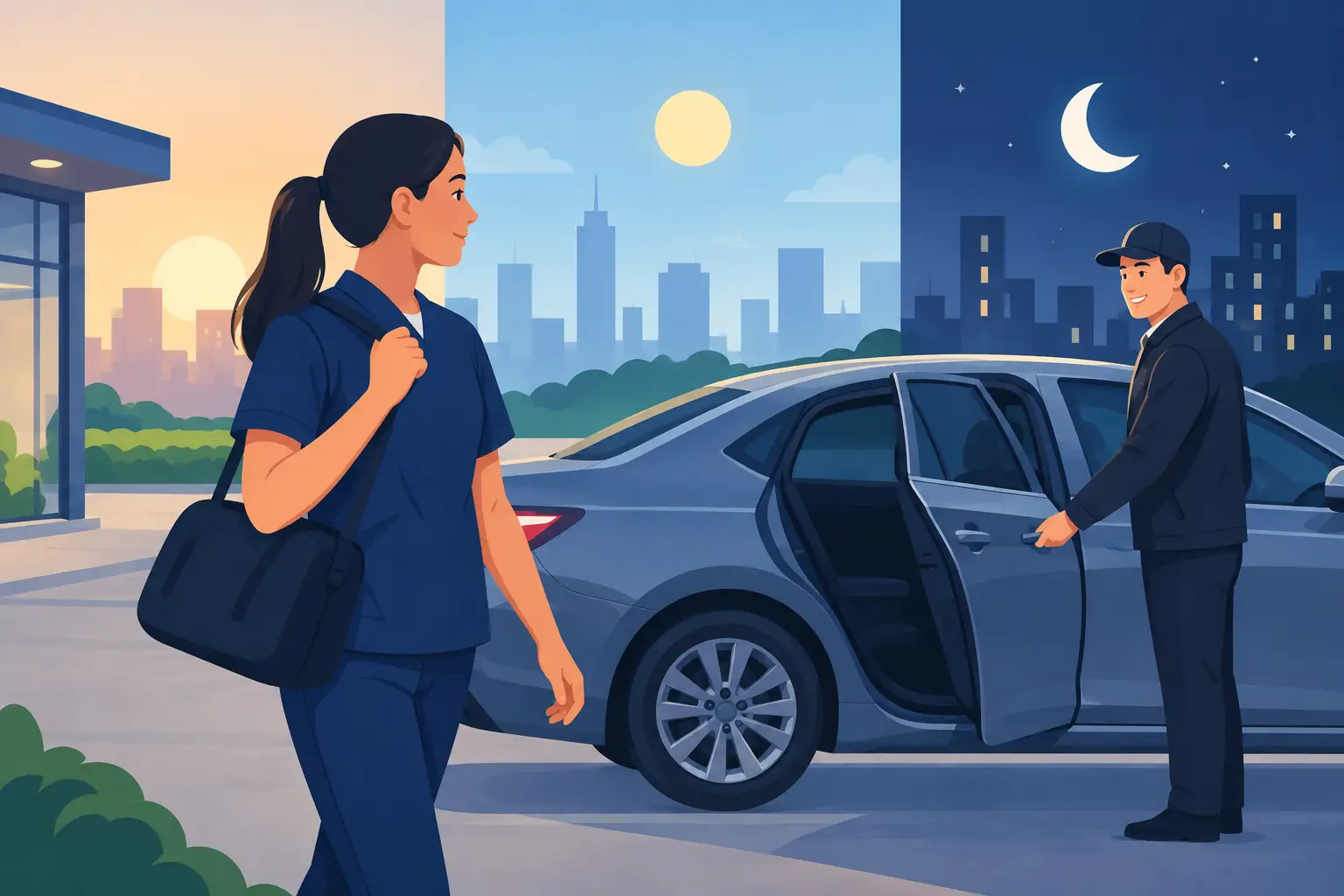
This approach can be particularly useful if you are in meetings, on the school run, working shifts or simply do not want to spend part of your day in a waiting room. It also gives households with one car a more practical way to keep everyday plans moving.
Preparing for a contactless car handover
A few minutes of preparation can prevent the small issues that cause the biggest delays. Before collection, make sure the vehicle can be moved easily and that the person collecting it has everything needed to complete the journey.
Check that there is enough fuel or charge for the planned trip. If the fuel warning light is on, or the battery is very low, mention it when arranging the handover. The same applies to warning lights, starting problems, unusual noises or a tyre that is losing pressure. These details do not necessarily stop collection, but they should not come as a surprise.
It is also sensible to remove valuables and personal items from the car. Check the glovebox, door pockets, boot, centre console and under the seats. Keep essential documents only where they are required, and do not leave banking information, house keys, work equipment or anything sentimental in the vehicle.
Before the day, make sure you have covered these practical points:
- Confirm the exact location of the car, including parking bay numbers, gate codes or access instructions where relevant.
- Agree where the keys will be left and how they will be accessed securely.
- Make sure the vehicle is not blocked in and can be collected without moving another car.
- Take a few clear, time-stamped photographs of the exterior, wheels and interior.
Photos are not about expecting a problem. They are a sensible record of the vehicle’s condition and can give both sides confidence. Include close-up images of any existing marks or damage, especially if the car is parked in poor light.
Make key handover secure, not merely convenient
Keys are the part of contactless handovers that deserve the most thought. Leaving them on a windowsill, under a plant pot or in an unlocked vehicle may feel quick, but it creates an avoidable security risk.
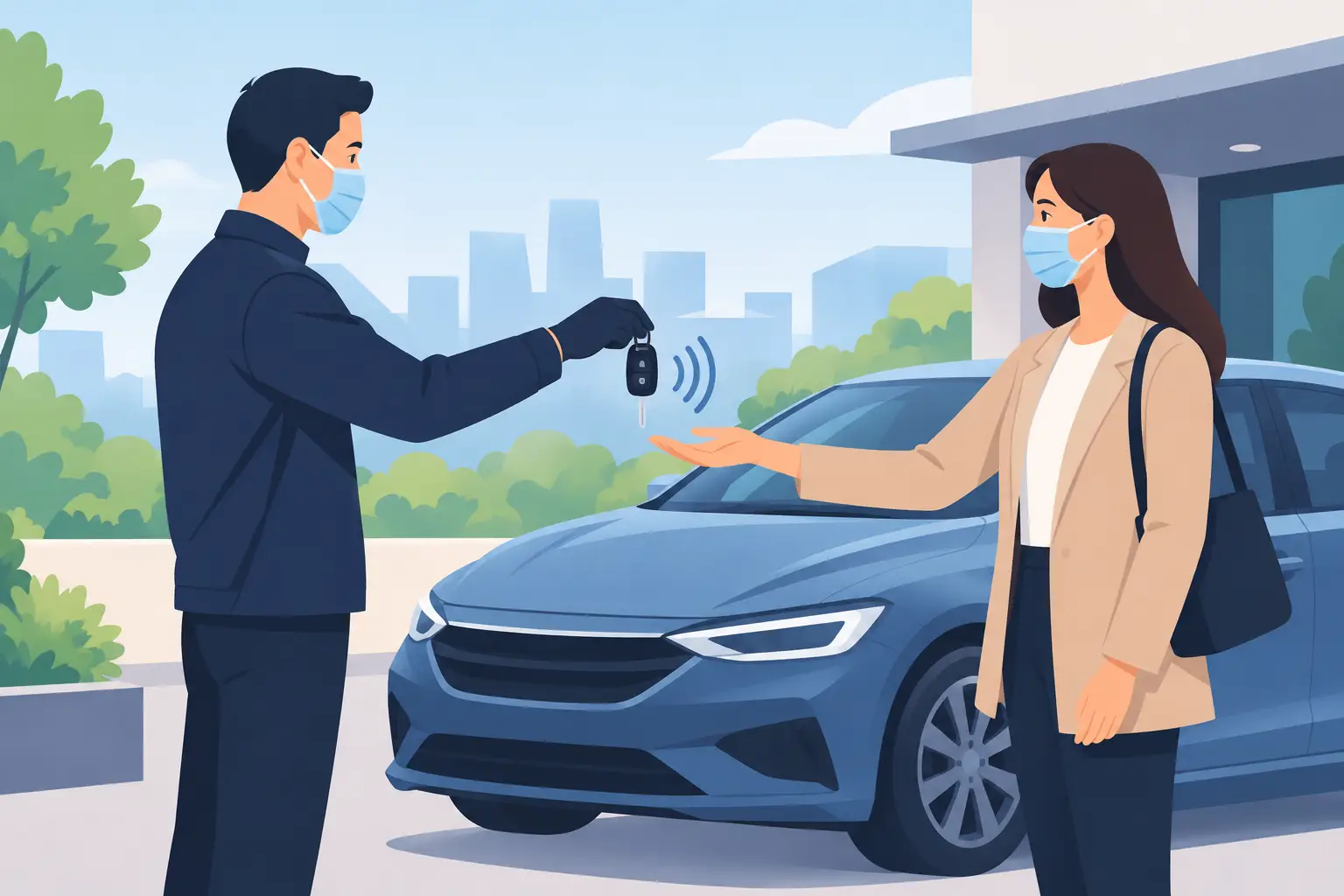
Choose a secure method that has been agreed with the service provider. Depending on your property and collection arrangements, this may involve a lockbox, a secure key safe or another controlled handover method. Never send your full address, access codes or key location through an insecure channel, and avoid using an obvious hiding place.
If you live in a flat or a gated development, consider access well ahead of the collection time. A driver may need entry through a barrier, permission from reception or clear instructions for a visitor parking area. The more precise you can be, the less likely it is that a simple collection turns into a string of phone calls.
A professional vehicle collection service should also make its own safeguards clear. Ask how the driver is identified, whether the vehicle is insured while in their care, and how you can follow progress. SortMyCar is built around these practical reassurances, helping customers arrange collection and return without giving up visibility or peace of mind.
What should happen on collection day
A good contactless handover follows a simple sequence. Before collection, you should receive confirmation of the planned time and any final instructions. Keep your phone nearby in case the collector needs to confirm a detail, such as a parking restriction or key location.
Once the vehicle has been collected, you should be told that it is on its way and be able to follow the agreed updates. This matters because contactless does not mean you are left wondering whether your car has gone, arrived safely or been accepted by the garage.
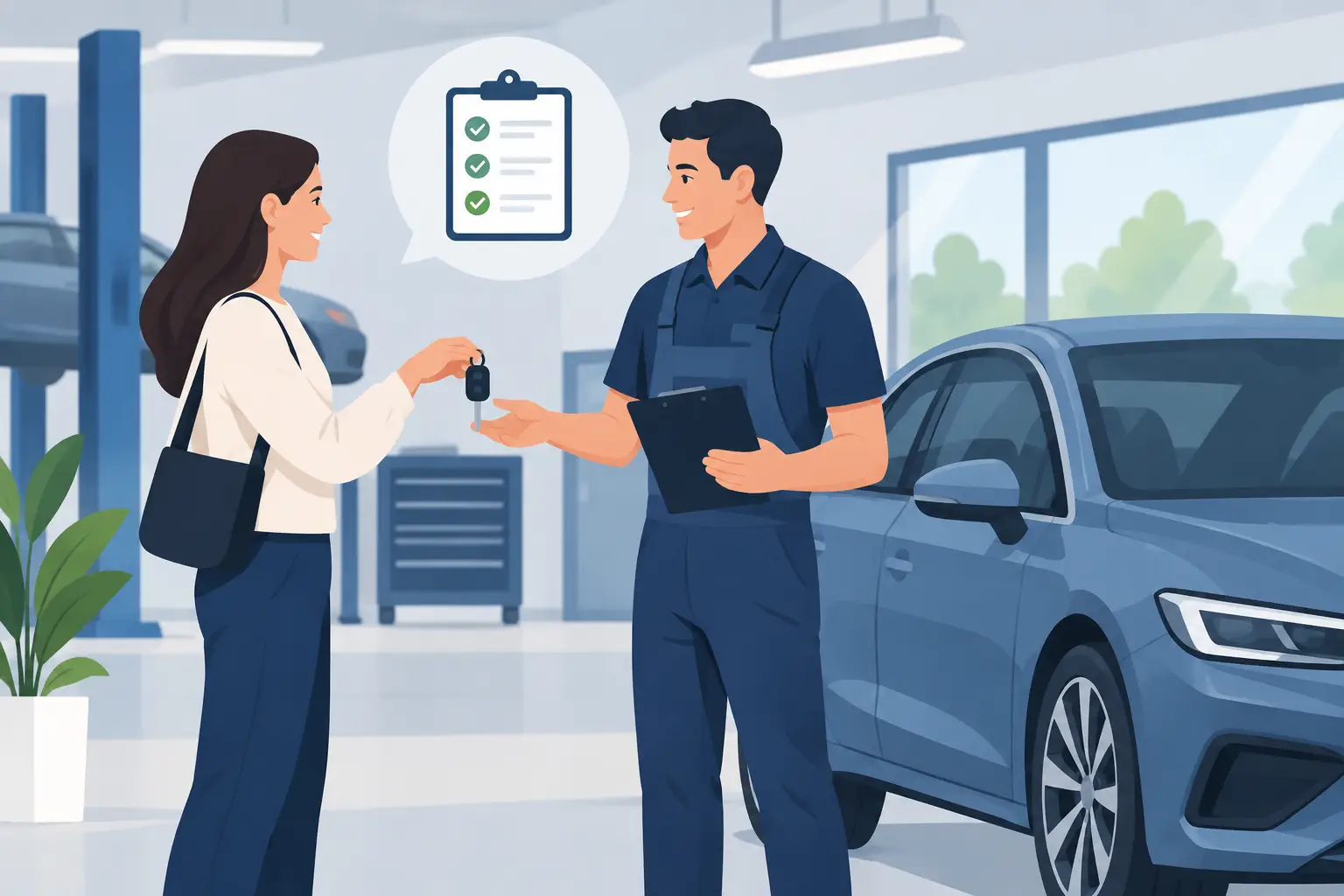
It is worth checking that the garage or dealership is expecting the vehicle and has the correct booking details. This is especially useful for MOT-related visits, diagnostic work or repairs where the adviser may need information about a fault. Send a concise note beforehand if there is a specific issue, such as an intermittent warning light or a noise that happens only when the engine is cold.
For a return handover, repeat the same care. Confirm where the car will be parked, how you will receive the keys and whether any payment or garage paperwork needs your attention. If the garage has completed advisory work, make time to read the notes rather than leaving them until weeks later.
Keep a clear record without making it complicated
Contactless arrangements work best when the essentials are written down. Keep the booking confirmation, collection instructions, garage appointment details and any vehicle condition photos in one place. If an issue arises, this gives you a reliable timeline without turning a routine service into an administrative job.
You may also want to note the mileage before collection and compare it on return. A reasonable increase is expected when a vehicle is travelling to and from its appointment, but the record gives you a clear reference point. If your car has a low-fuel warning, a charging requirement or a known mechanical concern, add that to your notes.
The aim is not to create extra work. It is to make sure that the handover is transparent from start to finish, particularly when you are not there in person.
When a contactless handover may not be the right choice
There are occasions when meeting in person is better. If the vehicle will not start reliably, has a serious fault, is difficult to access or needs specialist instructions, a direct conversation can help. The same is true if you are handing over a car with extensive existing damage and would feel more comfortable completing a joint walk-around.
Contactless collection may also be unsuitable where there is no secure place for keys or the vehicle is parked somewhere that is hard to reach safely. On-street parking with changing restrictions, shared driveways and busy private developments can all need extra planning.
That does not mean the service cannot work. It simply means the arrangements should fit the location and the vehicle, rather than forcing a one-size-fits-all process. Be upfront about anything unusual when booking. A practical provider will explain what is possible and suggest the safest option.
A handover that gives your day back
The best contactless car handovers feel uneventful. Your vehicle is collected safely, the garage gets it when expected, and it returns without you losing a morning of work or asking someone else for a lift. The value is not just saved travel time. It is the freedom to keep your day running while your car appointment is handled properly.
Before your next garage visit, take five minutes to confirm the location, keys, vehicle condition and update process. That small bit of planning can turn an awkward errand into one less thing on your to-do list.