
A 9am service booking can look simple on paper. In real life, it may mean rearranging meetings, getting the children to school early, sitting in traffic, and then finding a way home without your car. That is why dealership transport vs self driving is not just a question of mileage - it is a question of how much disruption a routine appointment creates.
For some drivers, taking the car in personally is still the right choice. For many busy households and working professionals, however, having the vehicle collected and returned can turn an awkward day into a normal one. The best option depends on what your time is worth, how flexible your schedule is, and how much reassurance you want while your car is away.
Dealership transport vs self driving: the real difference
Self driving means you take your own vehicle to the dealership or garage, hand over the keys, and arrange your journey afterwards. You may wait on site, use public transport, book a taxi, ask a friend for a lift, or rely on a courtesy car if one is available.
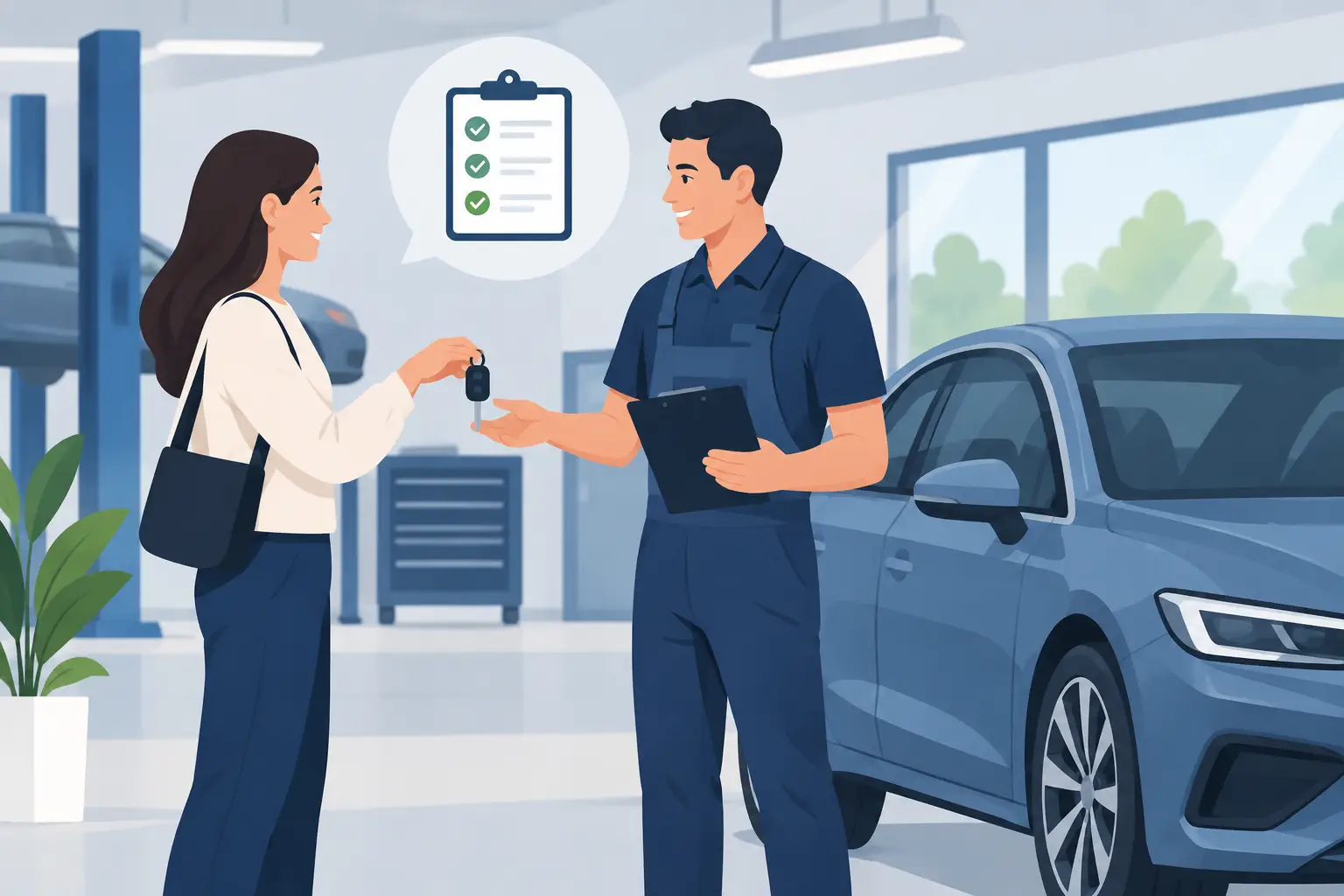
Dealership transport takes that journey off your to-do list. A professional driver collects the vehicle from your home, workplace or another agreed location, takes it to the booked appointment, and returns it once the work is complete. Instead of building your day around the garage, the garage visit fits around your day.
The difference is most noticeable when you are already stretched. A service might only take an hour to book, but the round trip, handover, waiting time and return journey can take up a large part of a working day.
The hidden time cost of driving yourself
The obvious cost of self driving is fuel. The less obvious cost is the time around the journey.
Picture a dealership 25 minutes away. A morning drop-off involves a 25-minute drive, a handover, and a journey back home or to work. At the end of the day, the same journey happens again in reverse. Even with everything running to plan, that can easily become two hours of travel and waiting. If the appointment is delayed, your whole schedule may have to move with it.
That is particularly frustrating for parents managing school runs, people with fixed shifts, and anyone whose day is built around appointments, clients or deadlines. Taking annual leave for a straightforward service is not always practical, and neither is asking a partner, colleague or family member to provide lifts.
A collection and return service does not create more hours in the day, but it can give them back to you. You can stay at your desk, be at home for a delivery, attend a meeting or simply carry on with the plans you had already made.
When self driving may still suit you
There are situations where taking the car yourself makes complete sense. If the garage is close by, you have plenty of flexibility, or you need to speak to the technician in person about a specific fault, a personal drop-off can be convenient.
It can also work well if a courtesy car has been confirmed and genuinely suits your needs. The key word is confirmed. Courtesy vehicles are often limited, may need booking well in advance, and can come with eligibility requirements or insurance conditions. It is worth checking the details before assuming one will be available.
Cost: look beyond the price of the journey
It is natural to compare the direct cost of transport with the cost of driving yourself. But a fair comparison includes the full picture: fuel, parking, taxis or rail fares, childcare changes, lost work time and the inconvenience of arranging lifts.
If you are self-employed, a couple of hours away from work may have a clear financial impact. If you are employed, the cost may show up differently, through time off, a rushed day or the need to make up work later. Even when there is no line on a bank statement, your time still has value.
Dealership transport is a paid convenience service, so it will not be the lowest-cost choice in every scenario. It is often the better-value choice when it prevents a chain of smaller expenses and avoids disruption to a packed day. The decision is less about finding the cheapest journey and more about choosing the option that creates the least hassle for your circumstances.
Confidence when someone else has your car
Handing over your vehicle is a big consideration. Your car is not just transport - it may be essential for commuting, family life and everyday responsibilities. Any transport service should make the process feel clear and accountable from collection to return.
Look for practical reassurance, not vague promises. That includes insured transport, clear collection arrangements, driver tracking, communication at key points, and a straightforward record of where the vehicle is going. You should know who is collecting the car, when they are expected, and what happens if the dealership needs it for longer than planned.
With a service such as SortMyCar, the aim is to replace uncertainty with a managed process. Your vehicle is collected from a location that suits you, taken to the dealership or garage, and returned when the work is finished - with insurance and tracking designed to give you peace of mind.
Preparing your car for collection
A little preparation makes the day easier whichever option you choose. Keep the dealership booking confirmation handy, make sure the garage has the right contact details, and remove personal or valuable items from the vehicle. If there is a fault you want checked, write down the symptoms, when they happen and any warning lights you have seen.
It is also sensible to check that the car has enough fuel for the agreed journey and that the dealership knows the vehicle will be arriving via a collection service. Clear instructions help avoid avoidable delays at handover.
Flexibility matters more than people expect
Garage appointments rarely stay as tidy as the booking confirmation suggests. A routine service can reveal worn tyres, brake work or a part that needs ordering. Your collection time may shift because the work takes longer, not because anything has gone wrong.
When you drive yourself, an extended appointment can leave you stranded or force a last-minute scramble for transport. If you have taken time away from work, it can mean cancelling plans or asking someone else to cover responsibilities at short notice.
Professional dealership transport is especially useful here because it separates the vehicle's timetable from your own. You do not need to remain near the garage all day waiting for a call. Once the work is complete and return arrangements are confirmed, the car can come back to you.
That flexibility can be valuable for one-car households. If your car is needed for the school run, a medical appointment or a planned weekend journey, reducing the number of journeys you personally need to make can keep the day more manageable.
Is dealership transport the more sustainable choice?
The environmental answer depends on the specific journey. If you are already travelling near the dealership and can combine the drop-off with another essential trip, driving yourself may be the sensible option.
But many self-drive appointments create extra, separate journeys: the drive to the garage, a lift home or taxi journey, then another trip back to collect the car. Where professional collection and return avoids those additional arrangements, it can help reduce unnecessary journeys linked to the appointment.
Convenience and consideration can sit together. The most practical option is often the one that avoids duplicated travel while still keeping your day on track.
How to choose the right option for your next appointment
Ask yourself a few honest questions. Can you comfortably spare the time for two round trips? Do you have a reliable way to get home and back? Is a courtesy car definitely available? Would an unexpected delay cause problems at work or at home?
If the answers point towards inconvenience, dealership transport can be a straightforward solution. If you have a quiet day, live nearby and prefer handling the handover personally, self driving may be ideal. There is no single right answer for every booking.
The useful test is simple: choose the option that lets your car get the attention it needs without forcing the rest of your life to stop. A service or repair should leave your vehicle in better shape, not leave your day in pieces.