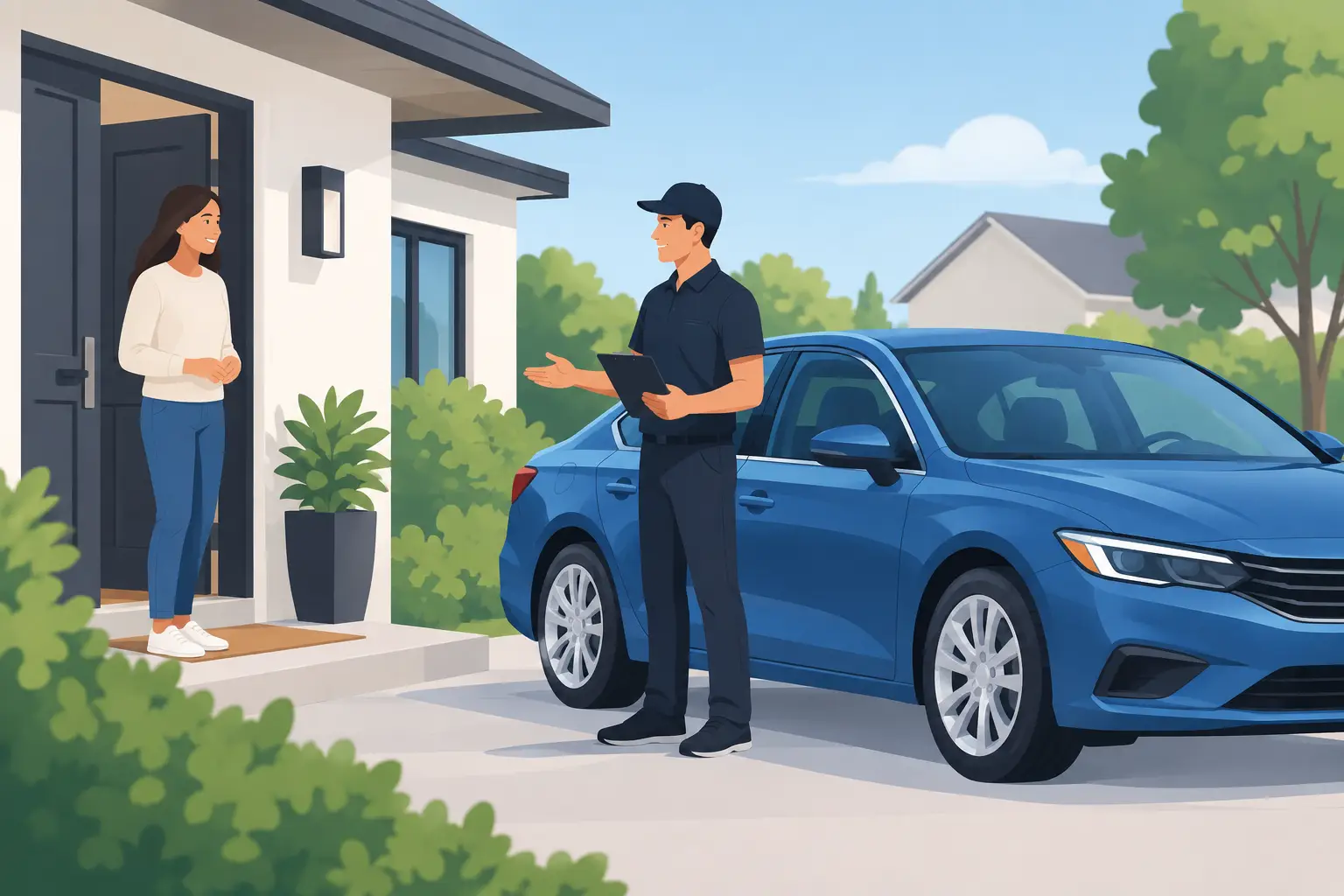

A service booking at 8am can be more disruptive than the service itself. You may be heading into the office, managing the school run, working from home with a full diary, or sharing one car between a busy household. So, can someone take my car to service on your behalf? In most cases, yes - provided the driver is properly insured, the garage knows what is happening, and you have agreed how decisions and payment will be handled.
The key is not simply handing over the keys. A smooth handover depends on putting the right permissions, protection and practical details in place before your appointment.
Can someone take my car to service for me?
A partner, family member, friend or colleague can usually take your car to a garage or dealership. They do not normally need to be the registered keeper to drop it off or collect it. Garages are used to dealing with customers who cannot attend in person, particularly when work, childcare or travel gets in the way.
However, the person driving must be legally entitled to drive the vehicle. That means holding the correct licence and having insurance that covers them to drive your particular car. Do not assume that a comprehensive policy automatically allows someone to drive any other vehicle. This used to be more common, but cover varies widely and may be restricted by age, vehicle type or the policy terms.
It is also sensible to tell the garage in advance who will be bringing the car. Give them the driver’s name, your registration number and a contact number for you. This avoids confusion at reception and gives the garage a clear route back to the person authorising the work.
Check insurance before anyone drives away
Insurance is the first practical check because it protects both the driver and the owner if something happens on the journey. The driver may be covered through their own policy, as a named driver on yours, or through temporary cover arranged for the day. The right option depends on the insurer and the planned journey.
Ask the driver to check the wording of their policy rather than relying on a memory of what it might include. They should confirm that they are covered to drive your car, for the intended purpose, and that any age or licence restrictions are met. If there is doubt, temporary insurance can provide a clearer, time-limited solution.
Remember that insurance cover and permission are different things. Even if somebody is insured, they still need your permission to use the vehicle. Keep that permission clear, especially where the car is financed, leased or used for business.
If the car is leased, financed or a company vehicle
The registered keeper is not always the person who owns the car. A lease company or finance provider may have conditions around who can drive it, while an employer may set rules for company vehicles. These arrangements do not always stop another person taking the car for routine servicing, but they can affect insurance, approved repairers and authorisation for work.
Check your agreement if you are unsure. It is particularly worth doing when a warranty, service plan or fleet policy requires the vehicle to visit a specified dealership or garage.
Tell the garage what your representative can approve
Dropping a car off is straightforward. Authorising unexpected work can be less so.
When a technician finds worn tyres, failing brakes or an additional fault, the garage may need approval before continuing. Let them know whether they should contact you directly for all decisions, or whether the person delivering the car can approve work up to an agreed amount. Put a spending limit in writing or note it on the booking.
The same applies to payment. Some garages will take payment from the person collecting the vehicle; others may require the account holder or booking customer to pay remotely. If the service is covered by a maintenance plan, warranty or service package, make sure the garage has the relevant details before the appointment.
A short call before the day can prevent a long chain of messages while you are in a meeting or the person helping you is standing at the service desk.
Prepare the car for collection or drop-off
A little preparation makes the experience easier for everyone. Make sure the car has enough fuel or charge for the journey, and remove anything valuable from the cabin, boot and glovebox. The garage may need the locking wheel nut key, service book, charging cable or security code, depending on the work being carried out.
Take a quick record of the vehicle’s condition before it leaves. A few clear photographs showing the exterior, wheels and mileage can be useful for your own peace of mind. It is not about expecting a problem - it is simply a sensible record whenever another person is driving your vehicle.
You should also share the appointment time, garage address and booking reference with the driver. If there are known faults, warning lights or specific requests for the technician, write them down. Details passed along casually can easily be forgotten between the front door and the workshop.
The convenient alternative to asking a friend
Having somebody you trust take the car can work well, but it still relies on their availability. They may need to take time away from work, arrange their own lift home, deal with traffic and wait for the garage to finish. If the repair runs over, the favour can become a bigger commitment than either of you expected.
A professional vehicle collection and return service is designed for the same problem without placing that burden on a friend or family member. Your car can be collected from home, work or another agreed location, taken to your chosen garage or dealership, then returned once the work is complete.
For busy households, that can mean keeping the morning routine intact. For professionals, it can mean staying at your desk rather than losing half a day to a service appointment. It also removes the awkward question of who is available to collect the car before closing time.
SortMyCar provides this kind of managed service with insured drivers and vehicle tracking, so you can see where your car is and remain informed throughout the journey. It is a practical option when you want the convenience of someone else handling the trip, with a clear process built around your vehicle.
What a professional collection service should make clear
Convenience should never mean uncertainty. Before booking any vehicle collection and delivery service, check exactly how the handover works, what insurance is in place and how you will be updated. You should know who is collecting the car, where it is going and what happens if the garage needs extra work approved.
It is also worth confirming the collection window rather than assuming an exact minute. Traffic, previous handovers and garage schedules can affect timings. A good service will communicate clearly, provide realistic expectations and give you an easy way to raise questions.
Ask how mileage and vehicle condition are recorded, too. These small details demonstrate that the provider treats your car as your car, not just another set of keys to move from one location to another.
When you may need to attend yourself
There are a few situations where being there in person may be the better choice. A garage may need you to discuss an intermittent fault in detail, demonstrate a noise or vibration, or sign documents linked to warranty work. You might also prefer to attend if you are comparing repair options or need a courtesy car arranged in your own name.
Even then, a collection service can still help with one side of the journey. For example, you could have the vehicle returned after the work is completed, saving the second trip and the pressure of reaching the garage before it closes.
The right choice depends on the appointment, your insurer’s terms and how much involvement the garage requires. But for a routine service, MOT-related visit or planned repair, there is usually no need for your day to revolve around the keys. Arrange the permissions in advance, choose a properly insured driver or collection service, and let your appointment fit around life rather than interrupting it.